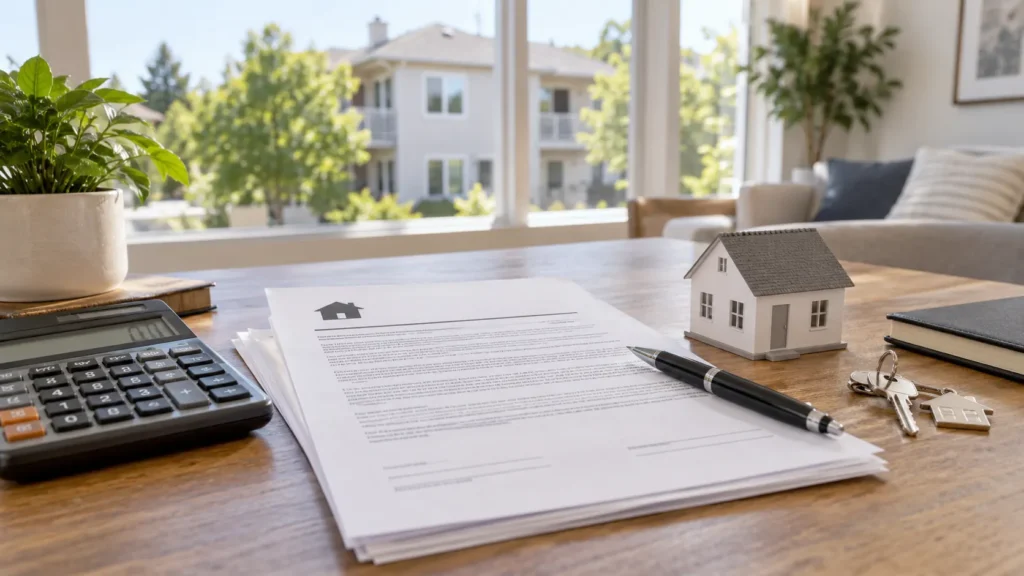
Closing on a home is exciting, but the move itself can become overwhelming if too many details are left until the last minute. This practical moving checklist breaks the process into manageable steps beginning about four weeks before moving day.
You may have more or less time, so adjust the schedule as needed. The goal is to keep important tasks, documents and deadlines from getting lost during a busy transition.
Four Weeks Before Moving Day
- Confirm your expected settlement date and avoid scheduling movers too tightly around closing until the date is dependable.
- Get estimates from moving companies or reserve a moving truck.
- Review the mover’s insurance and valuation coverage. Ask what is—and is not—covered.
- Create a moving folder for estimates, receipts, contracts, utility confirmations and other records.
- Begin sorting belongings into four groups: keep, donate, sell and discard.
- Measure large furniture and compare it with the rooms, stairs, elevators and doorways in the new home.
- Request time off from work if needed.
- If you are moving into a condominium or managed community, ask about elevator reservations, move-in fees, parking rules and permitted moving hours.
- Collect school, medical and veterinary records that may be needed after the move.
Three Weeks Before Moving Day
- Start packing items you will not need before the move, including seasonal clothing, books, decorations and rarely used kitchen items.
- Label every box with its contents and destination room.
- Photograph valuable items and the back of electronic equipment before disconnecting it.
- Use or donate food that should not be moved.
- Arrange transportation for pets and confirm any required health records.
- Schedule cleaning, repairs or painting for the new home if those items will be completed before move-in.
- Confirm that homeowners insurance will be effective when required for settlement and occupancy.
Two Weeks Before Moving Day
- Submit a change of address with the U.S. Postal Service.
- Update your address with banks, credit cards, insurance companies, employers, schools, subscriptions and government agencies as appropriate.
- Schedule electric, gas, water, internet, trash and other utilities for the new home.
- Schedule shutoff or transfer dates for utilities at your current home.
- Confirm the moving date, arrival window, payment method and contact information with the mover.
- Refill important prescriptions and keep medications with you rather than on the moving truck.
- Arrange child care or pet care for moving day if it will make the move safer and easier.
- Back up computers and important digital files.
One Week Before Moving Day
- Pack most remaining belongings and identify boxes that should be opened first.
- Prepare a separate essentials bag for each family member with clothing, toiletries, medications, chargers and anything needed for the first night.
- Keep identification, closing papers, financial documents, keys and valuables with you.
- Prepare a basic first-night box with paper towels, toilet paper, soap, trash bags, cleaning supplies, simple tools and snacks.
- Confirm parking and building access at both locations.
- Dispose of hazardous or flammable materials that movers cannot transport.
- Finish laundry and return borrowed items.
- Check every closet, cabinet, attic, basement, shed and storage area.
The Day Before the Move
- Charge phones and portable battery packs.
- Set aside cash or the approved payment method for the mover.
- Take photos of the condition of the home you are leaving, if appropriate.
- Defrost and clean the refrigerator if it is moving with you.
- Place keys, garage-door openers and access devices where they can be returned or transferred.
- Confirm the route, weather and timing for moving day.
Moving Day
- Keep important documents, medications, valuables and essential supplies with you.
- Review the mover’s inventory before the truck leaves.
- Do a final walk-through of the old home, checking all rooms and storage areas.
- Record utility meter readings when helpful.
- At the new home, direct boxes to their labeled rooms and inspect items as they are delivered.
- Locate the main water shutoff, electrical panel, smoke detectors and fire extinguisher.
- Change exterior locks or arrange for rekeying when appropriate.
- Test smoke and carbon-monoxide detectors.
During the First Week in Your New Home
- Confirm that mail forwarding and utility service are working correctly.
- Update your driver’s license and vehicle registration within the time required by your state.
- Update voter registration if needed.
- Review trash, recycling, parking and HOA or condominium procedures.
- Create a secure place for closing documents, warranties, repair receipts and home-improvement records.
- Introduce yourself to neighbors and identify local emergency, medical and maintenance contacts.
- Make a short list of immediate safety or maintenance items before beginning cosmetic projects.
Keep Your Mortgage Team’s Contact Information
Questions do not stop after settlement. You may need help locating a document, understanding your first payment, reviewing an escrow question or planning a future refinance or renovation. The Chris Jordan Mortgage Team remains available after closing.
Questions before or after your move?
Call us at (240) 670-5090 or email us at CJMT@mainstreethl.com.